

U.S. citizenship & naturalization.
The last step in the immigration journey — and, for spouses of citizens working abroad, there's an expedited path under INA 319(b).
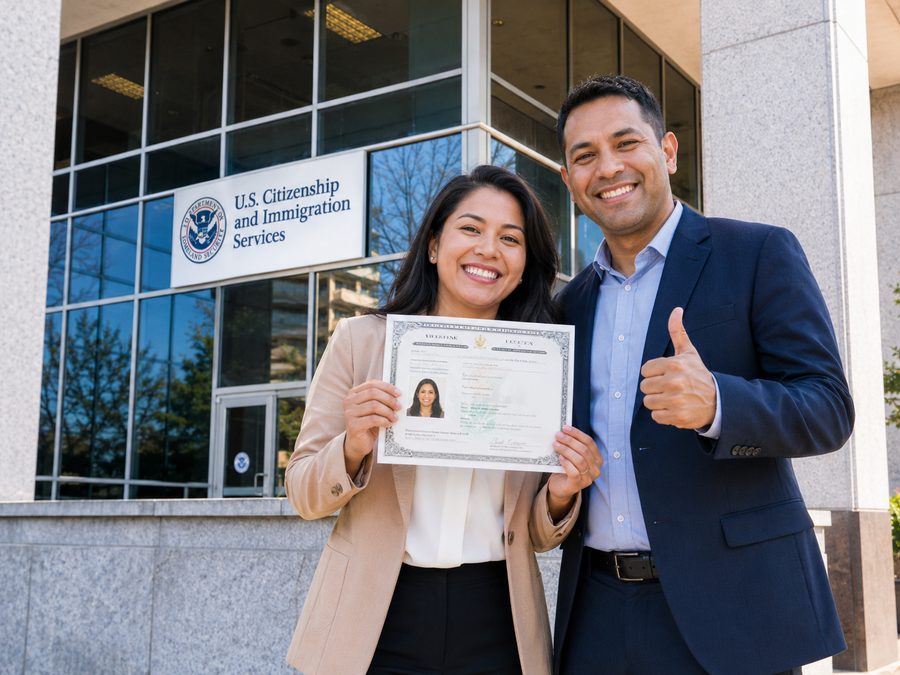
- Naturalization (N-400). Most permanent residents qualify after five years — or three years if married to and living with a U.S. citizen.
- INA 319(b) expedited path. For the spouses of U.S. citizens working abroad in qualifying employment.
- Citizenship through parents. Acquisition and derivation of citizenship for the children of U.S. citizens.
- The interview & civics test. We prepare you for the English and civics tests, the interview, and the oath.
- A plan for your case. We turn the rules into a strategy and flag the issues that most often cause problems before you file.
Naturalization is how a lawful permanent resident becomes a U.S. citizen — gaining the right to vote, travel on a U.S. passport, and sponsor more family members, among other benefits. Most applicants qualify after five years as a permanent resident, or three years if married to and living with the same U.S. citizen. A separate, faster path — INA 319(b) — exists for the spouses of citizens stationed abroad in qualifying employment.
Explore the topics below, or request a free consultation.

INA 319(b) Expedited Naturalization
Expedited citizenship for the spouses of U.S. citizens working abroad — without the standard continuous-residence requirement.
See our 319(b) page →
Naturalization (N-400)
Standard naturalization — eligibility, the application, and what to expect from filing to the oath.
Learn more →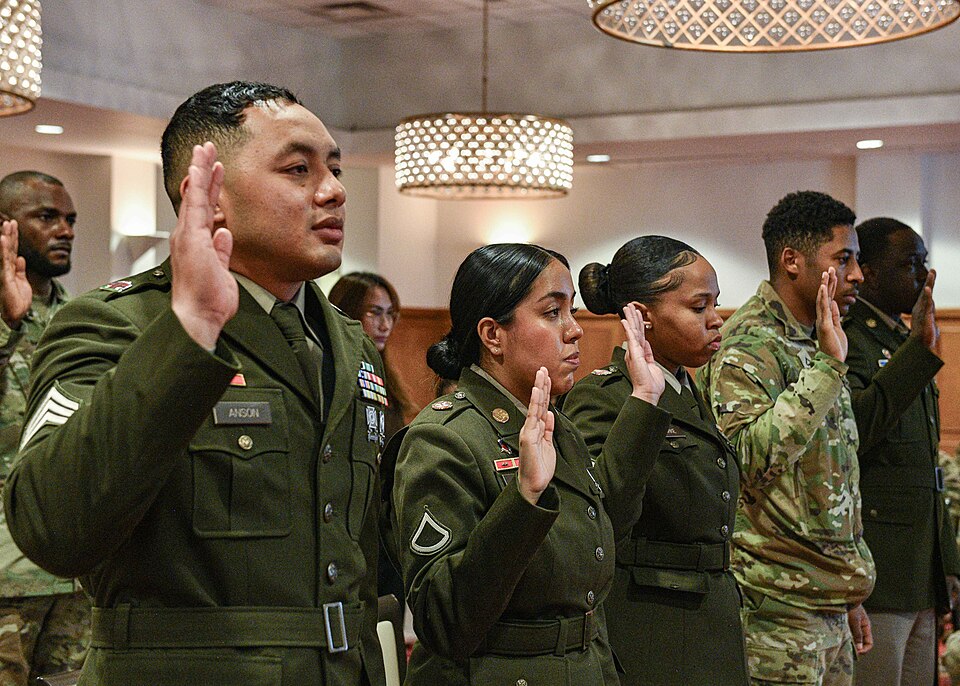
The interview & civics test
How to prepare for the English and civics tests, the interview itself, and the oath ceremony.
Learn more →
Citizenship through parents
Acquisition and derivation of citizenship for children of U.S. citizens, at birth or after.
Learn more →For the official government overview, see the USCIS Citizenship pages. We turn those rules into a plan for your specific case — and flag the issues that most often cause problems before you file.
Take the last step.
Free consultation with a U.S. immigration attorney. No obligation.